
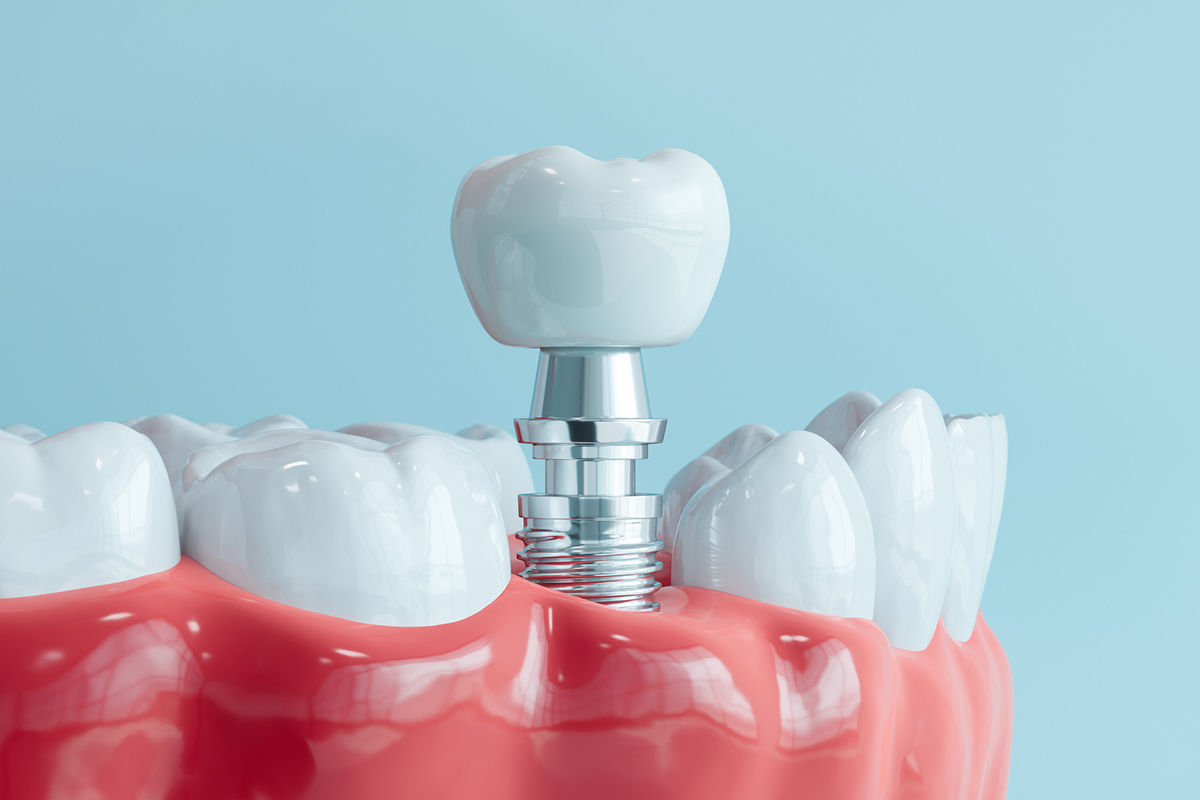
Missing teeth can affect more than your smile. Over time, the jawbone can begin to shrink in areas where teeth have been lost, making it more difficult to place dental implants successfully. For many patients, additional procedures may be needed to rebuild or support the bone before implant placement.
Two of the most common preparatory procedures are dental bone grafts and sinus lifts. While both treatments help create a strong foundation for dental implants, they serve different purposes and are recommended for different situations. Understanding the differences can help you feel more confident about your treatment plan and why your periodontist may recommend one procedure over the other.
Understanding the Role of Bone in Dental Implant Success
Dental implants are designed to replace missing teeth by integrating directly with the jawbone. This process, known as osseointegration, creates a stable and long-lasting foundation for replacement teeth. However, adequate bone volume and density are essential for implant success.
When a tooth is lost, the surrounding bone no longer receives stimulation from chewing forces. As a result, the body begins to resorb or shrink the bone in that area. Bone loss can also occur due to periodontal disease, trauma, infection, or long-term tooth absence.
If there is not enough healthy bone to support an implant, a periodontist may recommend a bone augmentation procedure before implant placement. Depending on where the bone loss has occurred, this may involve a dental bone graft, a sinus lift, or sometimes both procedures.
What Is a Dental Bone Graft?
A dental bone graft is a procedure that adds bone material to an area of the jaw where bone volume has been lost. The goal is to rebuild the jawbone so it can support a dental implant securely.
Bone grafting materials may come from several sources, including:
- Your own bone (autograft)
- Donor bone (allograft)
- Animal-derived bone material (xenograft)
During the procedure, the grafting material is placed in the area with insufficient bone. Over time, your body gradually replaces the graft material with new natural bone tissue.
Bone grafts can be performed in many areas of the mouth, including the upper and lower jaws. They are commonly recommended when bone loss has occurred following tooth extraction, advanced periodontal disease, injury, or prolonged tooth loss.
Some bone grafts can be performed at the same time as implant placement, while others require several months of healing before implants can be placed.
What Is a Sinus Lift?
A sinus lift, also called sinus augmentation or sinus floor elevation, is a specialized type of bone grafting procedure performed in the upper back portion of the jaw.
The upper molar and premolar areas are located directly beneath the maxillary sinuses. When teeth in this area are missing for an extended period, the bone often becomes thinner. At the same time, the sinus cavity may expand downward into the space where bone once existed.
A sinus lift addresses this issue by gently raising the sinus membrane and placing bone graft material beneath it. This creates additional bone height in the upper jaw, providing enough support for future dental implants.
The procedure is called a sinus lift because the sinus membrane is literally lifted upward to make room for the new bone.
Patients who need implants in the upper posterior jaw are the most common candidates for sinus augmentation.
How Are Dental Bone Grafts and Sinus Lifts Different?
Although both procedures involve adding bone to the jaw, they differ in several important ways.
Location of Treatment
A traditional dental bone graft can be performed in virtually any area of the jaw where bone loss has occurred.
A sinus lift is limited specifically to the upper back jaw beneath the sinus cavities.
Purpose
A dental bone graft rebuilds lost bone in areas where the jaw has become too thin or weak for implant placement.
A sinus lift specifically increases bone height between the upper jaw and the sinus cavity to create enough space for implants..
Treatment Planning
Your periodontist will use advanced imaging technology, including 3D cone beam scans, to determine the amount of available bone and identify whether a bone graft, sinus lift, or combination of procedures is necessary.
When Might You Need a Dental Bone Graft?
Several situations may make a dental bone graft necessary before implant placement.
- Tooth Loss. The longer a tooth remains missing, the greater the likelihood of bone loss. Patients who have been missing teeth for several years often require grafting to restore adequate bone volume.
- Periodontal Disease. Advanced gum disease can destroy the bone supporting the teeth. Even after the disease is treated, bone grafting may be needed to prepare the area for implants.
- Tooth Extractions. Some patients receive bone grafts immediately after tooth extraction to help preserve the jawbone and reduce future bone loss.
- Injury or Trauma. Accidents and facial injuries can damage the jawbone. Bone grafting may help restore the area before implant treatment begins.
When Might You Need a Sinus Lift?
A sinus lift is generally recommended when implants are planned in the upper back jaw and there is insufficient bone height available.
Common reasons include:
- Long-term tooth loss in the upper molar region
- Natural anatomy that results in limited bone height
- Expansion of the sinus cavity over time
- Significant bone loss caused by periodontal disease
Without enough bone beneath the sinus, implants may not have the stability needed for long-term success. A sinus lift creates the necessary support while protecting the sinus cavity.
Can You Need Both Procedures?
Yes. Some patients require both a sinus lift and additional bone grafting.
For example, a patient missing several upper back teeth may have both inadequate bone height beneath the sinus and insufficient bone width in the jaw. In these cases, a comprehensive treatment plan may include multiple grafting procedures to create a stable implant foundation.
Every patient is unique, which is why a thorough periodontal evaluation is essential before beginning implant treatment.
What Is Recovery Like?
Recovery after either procedure is generally manageable and varies based on the extent of treatment.
Most patients experience mild to moderate swelling, discomfort and bruising.
Following post-operative instructions carefully helps promote proper healing and successful bone regeneration.
Healing time can range from several months depending on the amount of grafting performed. During this period, the graft material integrates with your natural bone and creates the support needed for implant placement.
Your periodontist will monitor your healing progress and determine when the site is ready for the next phase of treatment.
Choosing the Right Treatment for Your Implant Needs
Dental bone grafts and sinus lifts are valuable procedures that help many patients become candidates for dental implants when bone loss would otherwise prevent treatment. While a dental bone graft restores lost jawbone in various locations throughout the mouth, a sinus lift specifically addresses bone deficiencies in the upper back jaw beneath the sinus cavity.
The best way to determine which procedure you need is through a comprehensive evaluation with an experienced periodontist. Advanced imaging and careful treatment planning allow your provider to recommend the most effective approach for achieving long-term implant success. With the right foundation in place, dental implants can provide a durable, natural-looking solution for restoring your smile.
Frequently Asked Questions About Bone Grafting and Sinus Lifts
Is a sinus lift considered a type of bone graft?
Yes. A sinus lift is a specialized bone grafting procedure performed in the upper jaw. It combines bone graft material with the elevation of the sinus membrane to create additional bone height for implants.
How long do I need to wait for dental implants after a bone graft?
The timeline varies depending on the size and location of the graft. Some patients can receive implants immediately, while others may need to wait up to nine months for complete healing.
Are bone grafts and sinus lifts painful?
Most patients report only mild to moderate discomfort after these procedures. Local anesthesia and appropriate post-operative care help make treatment comfortable and manageable.The procedure itself will not hurt because the area will be numb.
Can a bone graft prevent future bone loss?
A bone graft can help rebuild areas where bone has already been lost and provide support for future dental implants. Once an implant is placed and functioning, it can help stimulate the jawbone and reduce the risk of additional bone loss in that area.
How do I know if I have enough bone for dental implants?
The only way to determine whether you have sufficient bone is through a comprehensive examination and diagnostic imaging. Your periodontist will evaluate the quantity and quality of your jawbone and recommend whether a bone graft, sinus lift, or other preparatory treatment is needed before implant placement.
At Schrott Perio Implants, we are committed to helping patients achieve healthy, lasting smiles through advanced periodontal care and dental implant solutions. Our team provides personalized treatment planning using modern technology and evidence-based techniques to restore oral health and function. We proudly serve patients throughout the Greater Boston area with comprehensive periodontal and dental implant services designed to support long-term success. Contact us today to schedule a consultation.