
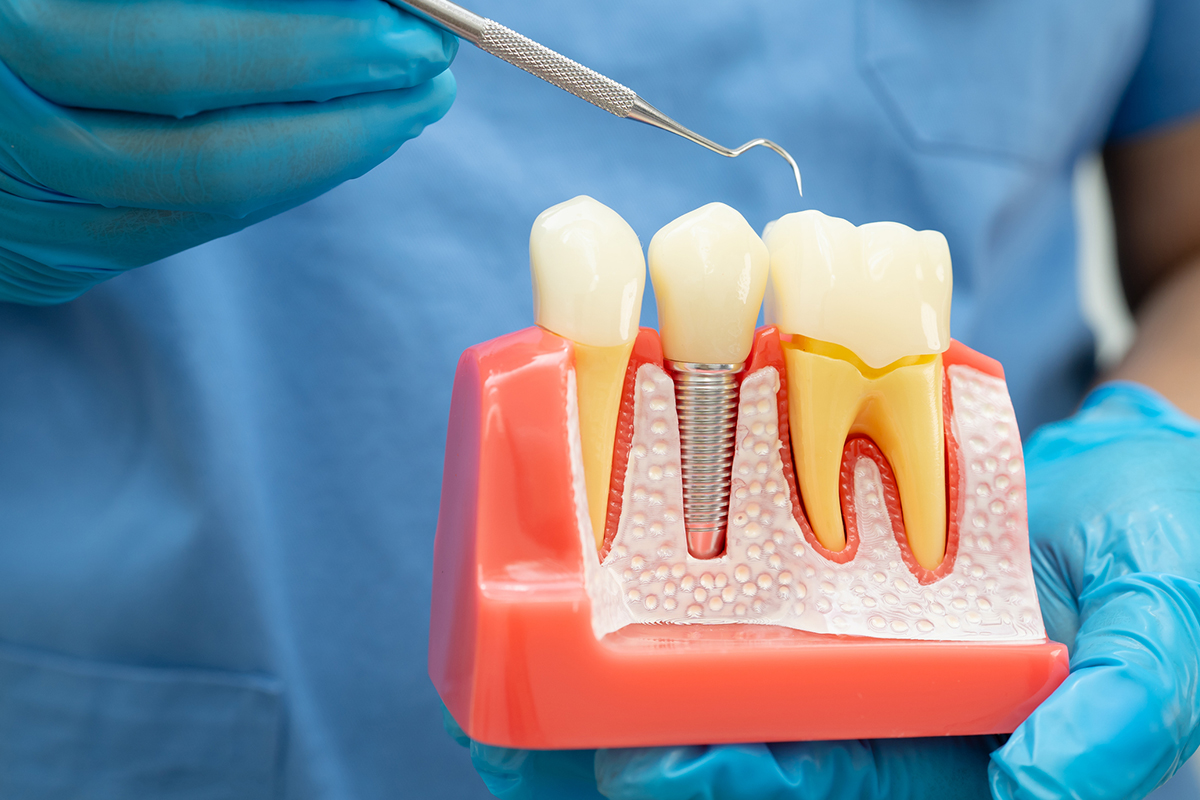
Losing a tooth can affect much more than your smile. It can make eating uncomfortable, change the way you speak, and impact your confidence. Dental implants are one of the most reliable ways to replace missing teeth because they are designed to look, feel, and function like natural teeth. However, the long-term success of dental implants depends on several factors, including your overall health and lifestyle habits.
One of the biggest lifestyle factors that can influence healing after implant surgery is smoking. Whether you smoke cigarettes, cigars, vape nicotine products, or use smokeless tobacco, nicotine can interfere with your body’s ability to recover properly. If you are considering dental implants, understanding how smoking affects treatment can help you make informed decisions and improve your chances of long-term success.
How Dental Implants Heal
Dental implants are small titanium posts that are placed into the jawbone to replace missing tooth roots. After placement, the implant must go through a healing process called osseointegration. During this stage, the surrounding bone gradually bonds with the implant, creating a stable foundation for the final crown, bridge, or denture.
This healing period typically takes several months. During that time, healthy blood flow, proper nutrition, and good oral hygiene all play important roles in helping the implant integrate with the bone. Anything that slows healing or reduces circulation can increase the risk of complications.
Smoking is one of the most significant risk factors because it affects multiple aspects of the body’s natural healing process.
Why Smoking Increases the Risk of Implant Failure
Nicotine causes blood vessels to narrow, reducing the amount of oxygen and nutrients delivered to healing tissues. When the gums and bone do not receive adequate blood flow, they may heal more slowly after implant surgery.
Smoking also weakens the immune system, making it harder for the body to fight bacteria and infection. Since dental implants rely on healthy bone and gum tissue for stability, infections around the implant can threaten its long-term success.
Research has consistently shown that smokers experience higher rates of dental implant complications compared to nonsmokers. These complications may include:
- Delayed healing
- Implant loosening
- Infection around the implant
- Bone loss
- Gum recession
- Implant failure
While smoking does not guarantee an implant will fail, it significantly increases the overall risk.
Smoking Before Implant Surgery
Many patients wonder whether smoking before surgery matters if they plan to stop afterward. The answer is yes.
Long-term smoking often affects gum health and bone quality even before treatment begins. Years of tobacco use may contribute to periodontal disease, bone loss, and chronic inflammation, all of which can make implant placement more challenging.
Before recommending dental implants, a periodontist carefully evaluates the health of your gums and jawbone. If bone loss has occurred, additional procedures such as bone grafting may be recommended to create a stronger foundation for the implant.
Being honest with your dental team about your smoking habits allows them to develop the safest and most effective treatment plan for your needs.
The Importance of Quitting Before and After Surgery
If you smoke, quitting before implant surgery can significantly improve your body’s ability to heal. Many specialists recommend stopping smoking at least one week before surgery and continuing to avoid tobacco for at least two months afterward. Even longer periods without smoking may further improve healing and reduce complications.
During the early healing phase, the implant is establishing its bond with the surrounding bone. This is when smoking can have the greatest negative impact.
Patients who stop smoking during this critical period often experience:
- Better circulation
- Faster healing
- Lower infection risk
- Improved bone integration
- Greater long-term implant success
Even if quitting permanently feels difficult, taking a temporary break during healing can provide meaningful benefits.
Does Vaping Affect Dental Implants?
Many people assume vaping is a safer alternative to smoking when it comes to dental implant healing. While vaping eliminates some of the chemicals found in cigarettes, most nicotine-containing vape products still reduce blood flow and interfere with tissue repair.
In addition, vaping may dry the mouth and expose oral tissues to heated chemicals that can contribute to irritation and inflammation. Researchers continue studying the long-term effects of vaping on oral health, but current evidence suggests that nicotine itself remains a significant concern during implant healing.
Patients who vape should discuss their habits with their periodontist just as they would traditional cigarette use.
Can Former Smokers Successfully Receive Dental Implants?
Absolutely. Many former smokers enjoy successful dental implants for decades. Once smoking stops, the body gradually begins repairing itself. Blood circulation improves, inflammation decreases, and healing capacity increases over time.
The longer someone remains tobacco-free before treatment, the more favorable the conditions become for successful implant integration. Former smokers should continue maintaining excellent oral hygiene and attend regular periodontal visits to help protect both their implants and natural teeth.
Other Factors That Influence Implant Success
Smoking is only one part of the overall picture. Several additional factors contribute to successful implant treatment.
- Healthy Gum Tissue. Healthy gums provide important support around the implant. Active periodontal disease should be treated before implant placement whenever possible.
- Adequate Bone Volume. Sufficient jawbone is needed to securely support the implant. If bone loss has occurred, bone grafting may help rebuild the area before surgery.
- Excellent Oral Hygiene. Daily brushing, flossing, and professional cleanings reduce bacteria that can lead to inflammation around implants.
- Overall Medical Health. Conditions such as uncontrolled diabetes may slow healing and increase the risk of complications. Managing chronic medical conditions helps support better outcomes.
- Regular Maintenance. Dental implants require ongoing care. Routine periodontal maintenance appointments allow your provider to monitor the health of your gums and implant over time.
What Belmont Patients Should Expect During an Implant Consultation
Every patient’s situation is unique. During an implant consultation, your periodontist will perform a comprehensive examination to determine whether dental implants are right for you.
This evaluation often includes:
- Reviewing your medical and dental history
- Discussing tobacco or nicotine use
- Examining your gums
- Evaluating bone levels with digital imaging
- Creating a personalized treatment plan
- Explaining ways to improve healing before surgery
If you currently smoke, your provider will work with you to reduce your risk and maximize your chances for long-term success. The goal is not simply placing an implant but helping you achieve a healthy, lasting result.
Making the Best Investment in Your Smile
Dental implants are designed to provide many years of comfortable function and natural-looking results. Protecting that investment begins before surgery with healthy habits that support healing.
If you smoke, reducing or quitting tobacco use is one of the most valuable steps you can take to improve implant success. Combined with excellent oral hygiene, regular periodontal care, and careful treatment planning, these changes can significantly increase the likelihood of long-term stability.
Working closely with an experienced periodontist ensures that every aspect of your oral health is evaluated so your treatment can be tailored to your specific needs and goals.
Frequently Asked Questions About Dental Implants
Can smokers still qualify for dental implants?
Yes. Many smokers are still candidates for dental implants, although they may face a higher risk of complications. Your periodontist will evaluate your gum health, bone levels, and overall health to determine the best treatment approach.
How long should I avoid smoking after implant surgery?
Your provider will give personalized instructions, but many specialists recommend avoiding smoking for at least several weeks after surgery, with longer tobacco-free periods offering even greater benefits for healing.
Will quitting smoking improve my implant success rate?
Yes. Stopping smoking improves blood circulation, reduces inflammation, and supports healthier bone and gum healing, all of which contribute to better implant outcomes.
Can dental implants fail years after they are placed?
Yes, although dental implants have a very high long-term success rate, they can develop problems if gum disease, smoking, poor oral hygiene, or excessive bite forces affect the surrounding bone and gums. Regular periodontal checkups and proper home care help protect your implant for many years.
Is it ever too late to quit smoking before getting dental implants?
No. Quitting smoking can benefit your oral health at any stage of the treatment process. Even reducing or stopping tobacco use before and after implant surgery can improve healing, lower the risk of complications, and increase the likelihood of long-term implant success.
At Schrott Perio Implants, we are committed to helping patients achieve healthy, confident smiles through personalized periodontal and dental implant care. We take the time to create treatment plans that support lasting oral health while using advanced techniques to deliver comfortable, predictable results. Contact us today to schedule a consultation.