If you have been told that you need a dental bone graft, it is natural to have questions about the recovery process. Many patients wonder how long healing takes, what they can eat, whether discomfort is normal, and when they can move forward with dental implants or other restorative treatment. Understanding the healing timeline can help you feel more confident and prepared for your procedure.
At Schrott Perio Implants in Belmont, MA, bone grafting procedures are performed to regenerate lost bone and create a stable foundation for long-term oral health and dental implant success. Whether you need ridge preservation after a tooth extraction or a more advanced grafting procedure, proper healing is an important part of achieving the best possible outcome.
Why Dental Bone Grafts Are Necessary
A dental bone graft is a procedure that helps rebuild or preserve jawbone tissue that has been lost or weakened. Bone loss can occur for several reasons, including gum disease, tooth loss, trauma, or infection. When bone volume decreases, it can affect the stability of nearby teeth and make dental implant placement more difficult.
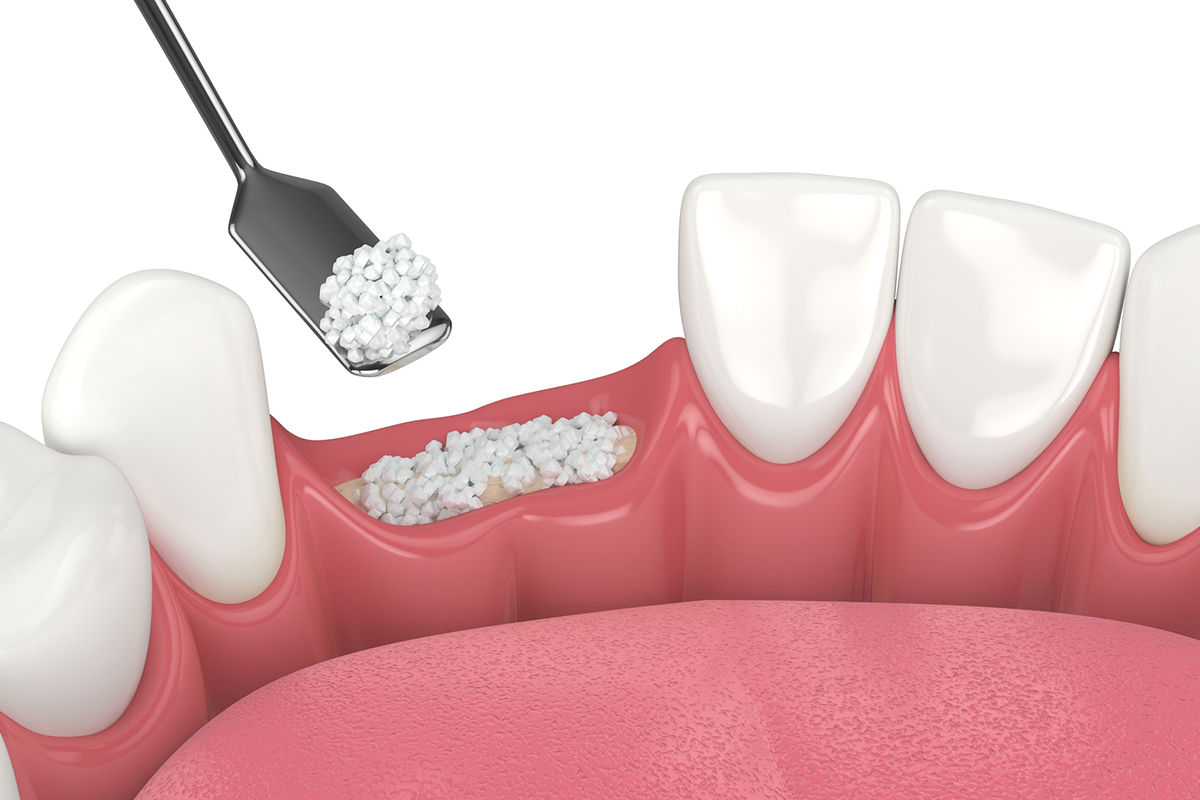
Bone grafting uses specialized grafting materials that act as a scaffold for new bone growth. Over time, your body gradually replaces the grafting material with natural bone. Schrott Perio Implants offers both simple and complex bone grafting procedures, including ridge preservation, alveolar ridge augmentation, and sinus lifts.
Healing is a gradual biological process. Although many patients feel much better within a few days, the jawbone itself continues regenerating for several months after surgery. This healing period allows the graft to integrate properly and creates a stronger foundation for future treatment.
The First Few Days After a Bone Graft
The first 24 to 72 hours after surgery are usually when patients notice the most swelling and mild discomfort. This is a normal part of the healing process and typically improves steadily over the next several days.
Most patients experience:
- Mild to moderate swelling around the surgical area
- Tenderness or soreness near the graft site
- Minor bleeding or oozing during the first day
- Temporary difficulty chewing on the treated side
- Sensitivity in the surrounding gums or teeth
Your periodontist may recommend ice packs during the first day to help minimize swelling. Prescription or over-the-counter pain medication can also help keep you comfortable during the early stages of healing.
Diet is especially important during the initial recovery period. Soft foods such as yogurt, soup, eggs, smoothies, pasta, and mashed potatoes are typically recommended. Crunchy, spicy, or hard foods should be avoided because they can irritate the surgical site or disturb the graft material.
Patients are also encouraged to avoid smoking during recovery. Smoking can significantly slow healing and increase the risk of complications after bone graft surgery.
What Healing Looks Like Week by Week
During the first week, swelling and soreness usually begin to improve noticeably. Many patients are able to return to work or normal daily routines within a day or two, depending on the complexity of the procedure and their comfort level.
By the second week, gum tissue often starts closing more completely around the graft site. If sutures were placed, your periodontist may schedule a follow-up visit to monitor healing and remove any non-dissolving stitches.
Although the surface tissue may look better relatively quickly, the deeper bone regeneration process takes longer. Over the next several months, the graft gradually integrates with your natural jawbone. This stage is critical because it creates the stable bone structure needed to support future restorations such as dental implants.
Healing timelines vary depending on factors like:
- The size of the graft
- The location of the graft
- Your overall health
- Smoking status
- Oral hygiene habits
- Whether additional procedures were performed
Smaller grafts may heal faster, while larger ridge augmentations or sinus lifts can require more healing time before implant placement is possible.
Signs of Healthy Healing After a Bone Graft
Many patients worry about whether their recovery is progressing normally. In most cases, healing follows a predictable pattern. Mild swelling, bruising, and tenderness are expected during the early stages.
Positive signs of healing include:
- Gradual reduction in swelling and discomfort
- Healthy pink gum tissue around the area
- Improved comfort when eating and speaking
- No persistent bleeding after the first day
- Stable sutures and graft site
Your periodontist will likely schedule follow-up appointments to evaluate healing progress and ensure the graft is integrating properly.
It is important to follow all post-operative instructions carefully. Keeping the area clean, taking medications as directed, and avoiding unnecessary pressure on the surgical site can all support successful healing.
Patients should contact their dental office if they experience severe pain, heavy bleeding, worsening swelling after several days, fever, or signs of infection. Prompt attention can help prevent complications and protect the graft.
Preparing for Dental Implants After Bone Graft Healing
One of the most common reasons for a dental bone graft is preparing the jaw for dental implants. Dental implants require sufficient bone support to remain stable and functional long term. If the jawbone is too thin or weak, grafting helps rebuild the area before implant placement.
Once healing is complete, your periodontist can determine whether the area is ready for the next stage of treatment. Advanced imaging technology may be used to evaluate bone density and confirm successful regeneration.
At Schrott Perio Implants, advanced techniques and modern technology are used to support precision and long-term treatment success. The practice routinely handles complex implant and grafting procedures while maintaining a compassionate, patient-focused approach.
Patients who follow post-operative instructions and maintain good oral hygiene often experience smooth healing and excellent long-term outcomes after bone graft surgery.
Supporting a Smooth Recovery and Long-Term Oral Health
Healing from a dental bone graft is a process that takes time, but understanding what to expect can make recovery feel far less stressful. While some mild swelling and tenderness are normal in the beginning, most patients steadily improve over the following days and weeks. The deeper bone regeneration process continues quietly beneath the surface as your body builds stronger support for future treatment.
If you have been diagnosed with bone loss or are preparing for dental implants, working with an experienced periodontal specialist is important. Schrott Perio Implants provides comprehensive bone grafting and implant services designed to restore oral health, function, and confidence. Whether your treatment needs are simple or complex, personalized care and careful healing support can help you achieve lasting results.
Frequently Asked Questions About Dental Bone Grafts
How long does it take for a dental bone graft to heal?
Initial gum healing often occurs within 1 to 2 weeks, but full bone regeneration usually takes several months. The exact timeline depends on the size and type of graft as well as your individual healing response.
Is swelling normal after a dental bone graft?
Yes, mild to moderate swelling is common during the first few days after surgery. Swelling usually peaks within 48 hours and gradually improves afterward.
Can I eat normally after a bone graft?
Patients are generally advised to stick with soft foods during the early healing period. Hard, crunchy, or spicy foods should be avoided until the surgical site has healed more fully.
When can dental implants be placed after a bone graft?
Some implants can be placed at the same time as the graft, while others require several months of healing first. Your periodontist will determine the appropriate timing based on your bone condition and treatment plan.
Are dental bone grafts painful?
Most patients report manageable discomfort rather than severe pain. Local anesthesia, sedation options, and post-operative medications help keep patients comfortable throughout the procedure and recovery.
At Schrott Perio Implants, we provide advanced periodontal and dental implant care for patients throughout the greater Boston area. Our team focuses on modern treatment techniques, compassionate care, and personalized solutions for everything from bone grafting to complex implant therapy. We are committed to helping patients restore healthy, functional smiles in a comfortable environment. Contact us today to schedule a consultation.