
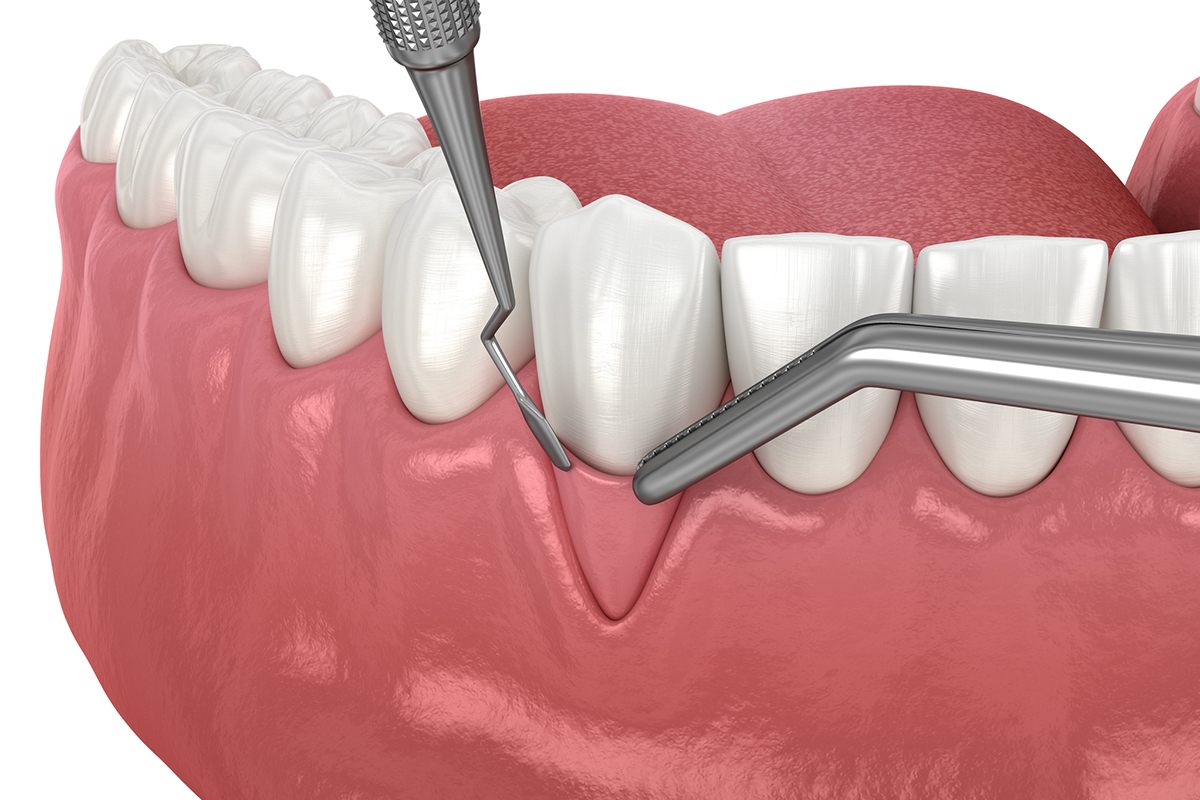
Recovering from gum graft surgery is a critical part of achieving long term success and protecting your oral health. Gum grafting is commonly recommended to treat gum recession, reduce sensitivity, and prevent further damage to the roots of your teeth. While the procedure itself is highly effective, how you care for your mouth afterward plays a major role in healing, comfort, and overall results.
At Schrott Perio Implants, patients often ask what to expect after gum graft surgery and how they can support proper healing at home. The following guide walks through what to do in the days and weeks after treatment, what to avoid, and when to contact your periodontist for follow up care.
Understanding the Healing Process After Gum Graft Surgery
Gum graft surgery involves placing healthy tissue over areas of gum recession to restore protection around the teeth. This tissue may come from your own mouth or from a donor source, depending on your specific treatment plan. Once the graft is placed, the surrounding tissue needs time to integrate and heal.
During the first few days after surgery, it is normal to experience swelling, tenderness, and bleeding. These symptoms typically peak within the first 48 hours and gradually improve. The grafted tissue is delicate during this time, which means careful aftercare is essential to avoid disruption.
Complete healing will take several month, but most patients feel comfortable returning to normal routines after a few weeks. Following post operative instructions closely helps reduce complications and promotes healthy tissue attachment.
Managing Discomfort and Swelling Safely
Discomfort after gum graft surgery is usually manageable and short lived. Your periodontist may prescribe pain medication or recommend over the counter options to help control soreness. It is important to take medications exactly as directed and avoid aspirin unless approved, as it can increase bleeding.
Applying a cold compress to the outside of your face near the treated area can help minimize swelling during the first 24 hours. Use the compress for 15 to 20 minutes at a time, allowing breaks in between. Sleeping with your head slightly elevated can also reduce swelling and promote comfort.
Avoid touching the graft site with your fingers or tongue, even if it feels unusual. Disturbing the area can interfere with healing and increase the risk of graft failure or infection.
Eating and Drinking After Gum Graft Surgery
What you eat after surgery has a direct impact on healing. For the first several weeks, stick to soft foods that do not require chewing near the graft site. Good options include yogurt, smoothies, mashed potatoes, eggs, oatmeal, pasta, fish, soft cooked vegetables and soup that has cooled to a lukewarm temperature.
Avoid hot foods and beverages for the first few days, as heat can increase swelling and bleeding. Crunchy, spicy, acidic, or sticky foods should also be avoided since they can irritate the surgical area or dislodge the graft.
Staying hydrated is important, but do not use straws during the initial healing period. The suction can disrupt the graft and delay recovery. As healing progresses, your periodontist will advise when it is safe to slowly reintroduce firmer foods.
Oral Hygiene Instructions During Recovery
Keeping your mouth clean is essential after gum graft surgery, but it must be done gently and carefully. You should avoid brushing or flossing directly over the grafted area until your periodontist confirms it is safe. Brushing too soon can damage the healing tissue.
After you brush your teeth rinse slowly and avoid vigorous swishing. Continue brushing and flossing the untreated areas of your mouth as normal to maintain overall oral health.
As healing progresses, your periodontist will guide you on how to gradually resume brushing near the graft site using a soft bristled toothbrush and gentle technique.
Activities to Avoid While Healing
Certain activities can interfere with healing and should be avoided after gum graft surgery. Smoking and tobacco use significantly increase the risk of complications and graft failure. Patients are strongly encouraged to avoid all tobacco products during recovery.
Strenuous physical activity should be limited for at least the first week following surgery. Exercise can increase blood pressure and lead to bleeding at the surgical site. Resting during the initial recovery phase supports proper healing and comfort.
It is also important to avoid pulling on your lips or cheeks to look at the graft. While curiosity is understandable, stretching the tissue can disturb the surgical area and slow healing.
Signs of Normal Healing Versus Potential Problems
Most patients heal without complications, but it is helpful to know what is normal and what may require attention. Swelling, bleeding, and sensitivity are common in the early stages of recovery. The grafted tissue may appear lighter in color at first and gradually blend with surrounding gums as healing continues.
Contact your periodontist if you experience persistent bleeding, increasing pain after the first few days, signs of infection such as fever or pus, or if the graft appears to be separating from the surrounding tissue..
Attending all scheduled follow up appointments ensures your periodontist can monitor healing and confirm that the graft is integrating as expected.
Long Term Care After Gum Graft Surgery
Once healing is complete, maintaining healthy gums becomes the focus. Gentle brushing with a soft toothbrush, daily flossing, and routine professional cleanings help protect the results of your gum graft surgery.
If gum recession was caused by aggressive brushing, your periodontist may recommend technique adjustments or specific oral hygiene tools to prevent recurrence. Addressing habits such as teeth grinding or misalignment may also be part of long term care.
Patients who undergo gum grafting often experience reduced sensitivity, improved gum health, and a more balanced smile when proper maintenance is followed.
Why Professional Guidance Matters for Gum Grafting Recovery
Every patient’s recovery experience is unique, depending on the extent of treatment and individual healing factors. Working closely with an experienced periodontist ensures that your aftercare plan is tailored to your needs and that any concerns are addressed quickly.
If you are considering or have recently undergone gum grafting, professional oversight plays a key role in achieving the best outcome and preserving your oral health for years to come.
Protecting Your Smile and Supporting Healing After Gum Graft Surgery
Caring for your mouth after gum graft surgery is essential for comfort, healing, and long term success. By following post operative instructions, maintaining gentle oral hygiene, and attending follow up visits, you can support proper healing and protect your smile. If you have questions about recovery or are exploring treatment options, the team at Schrott Perio Implants is here to help.
Frequently Asked Questions About Gum Grafting
How long does it take to heal after gum graft surgery?
Initial healing typically takes 6 weeks, while full tissue integration can take several months. Your periodontist will monitor progress and advise when normal activities can resume.
At Schrott Perio Implants, we specialize in advanced periodontal care focused on long term oral health and patient comfort. Our experienced team provides personalized treatment plans, including surgical and non surgical solutions for gum disease and recession. If you have concerns about gum health or recovery after treatment, we are here to support you every step of the way. Contact us today to learn more and schedule an appointment.